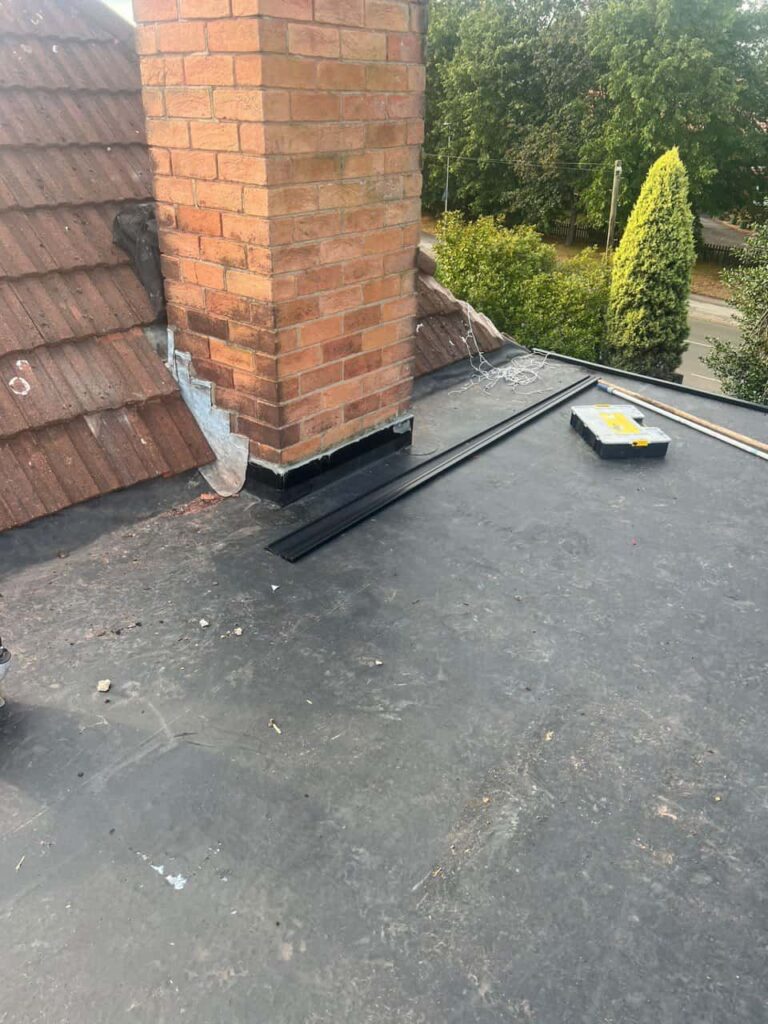
Roofing issues rarely occur by chance. In many cases, problems develop repeatedly in the same areas of a roof, even after previous repairs have been carried out. These recurring faults are usually a sign that the underlying cause has not been fully addressed. For homeowners in Clay Cross, Derbyshire, understanding why certain roof areas are more vulnerable can help prevent ongoing disruption and achieve longer-lasting repairs.
Recurrent roof problems often stem from design complexity, constant exposure to the elements, or ageing materials. Without a thorough inspection and a properly planned repair, the same issues are likely to return.
Why Some Roof Areas Are More Prone to Repeated Issues
A roof is not a single surface but a collection of components that must work together to manage water, wind, and structural movement. Areas where materials meet or change direction tend to experience greater stress. Over time, these stress points are more likely to fail, particularly if repairs only focus on surface symptoms.
Weather exposure also plays a significant role. Certain sections of a roof naturally receive more rainwater or are more exposed to prevailing winds, increasing wear. As materials age, these areas are often the first to show signs of failure.
Chimneys and Flashing Details
Chimneys are one of the most common sources of recurring roof leaks. The junction between the chimney and the roof relies on flashing to keep water out. Over time, movement, weathering, and thermal expansion can cause flashing to crack, lift, or separate.
If repairs only involve patching visible gaps, water can continue to track beneath the surface. Effective repairs require attention to both the flashing and the surrounding roof materials to ensure a fully sealed and durable finish.
Valleys That Channel Large Volumes of Water
Roof valleys are designed to carry rainwater safely away, but this constant flow makes them vulnerable to wear. Debris build-up, damaged linings, or slipped tiles can all restrict water movement and cause repeated leaks.
When valleys are repaired without restoring proper water flow or addressing underlying deterioration, problems often return. Professional repairs focus on reinforcing the valley structure and ensuring it remains clear and watertight.
Ridge and Hip Lines Under Constant Exposure
Ridge and hip tiles sit at the highest and most exposed points of the roof. Wind, rain, and temperature changes take a toll on these areas, leading to loose tiles or failing fixings.
Repeated issues at the ridge often indicate that older fixing methods or deteriorated materials are no longer suitable. Proper repairs improve stability and help prevent water ingress beneath the roof covering.
Roof Edges and Verges
The edges of a roof are particularly vulnerable to wind uplift. Loose verge tiles, cracked mortar, or gaps at the roof edge can allow water to enter and cause ongoing damage.
Recurrent problems in these areas often result from inadequate edge protection or ageing materials. Long-term repairs focus on strengthening the roof edge and improving resistance to weather exposure.
Roof Penetrations and Openings
Any feature that passes through the roof surface, such as vents or rooflights, creates a potential weak point. Over time, seals can perish and flashing can shift, allowing water to enter.
If repairs do not fully reseal these penetrations or account for natural roof movement, leaks can reappear. A professional approach ensures all junctions remain secure and watertight.
Why Temporary Fixes Rarely Solve Recurrent Problems
Many recurring roof issues are the result of repairs that only address visible damage. Surface-level sealants or quick patches may stop water briefly but often fail to deal with movement, wear, or structural weaknesses beneath the surface.
Without a full inspection of the surrounding roof area, hidden problems remain and continue to cause repeat failures. Using unsuitable materials can also accelerate deterioration and lead to further repairs.
How Professional Repairs Deliver Lasting Results
Long-term roof repairs focus on identifying the root cause of the issue rather than treating symptoms. This involves assessing how water moves across the roof, how materials interact, and how structural elements are performing.
Professional repairs strengthen vulnerable areas, replace worn components, and improve overall water management. By addressing the cause rather than the effect, repeat problems can be avoided.
Clay Cross Roofing Repairs takes a thorough, considered approach to resolving recurrent roof issues, ensuring repairs are designed to last rather than simply delay future problems.
When Repeated Repairs Suggest a Bigger Issue
In some cases, recurring faults indicate that a roof is reaching the end of its serviceable life. Persistent leaks, widespread tile movement, or signs of deterioration within the roof structure may require broader remedial work.
A professional assessment helps determine whether targeted repairs remain effective or whether a more comprehensive solution is the safer option.
Conclusion
Recurrent roof problems are a clear sign that certain areas of the roof require specialist attention. Chimneys, valleys, ridges, roof edges, and penetrations are all common weak points that demand carefully planned repairs. By addressing the underlying causes and reinforcing vulnerable sections, homeowners can prevent repeat issues and protect their property long term.
For residents in Clay Cross, Derbyshire, Clay Cross Roofing Repairs provides professional inspections and durable repair solutions tailored to resolve recurring roof problems properly. If you are experiencing repeat roof issues, contact us today to arrange a thorough roof assessment and restore confidence in your roof’s performance.
Call us on: 01246 956 398
Click here to find out more about Clay Cross Roofing Repairs
Click here to complete our contact form and see how we can help with your roofing needs.