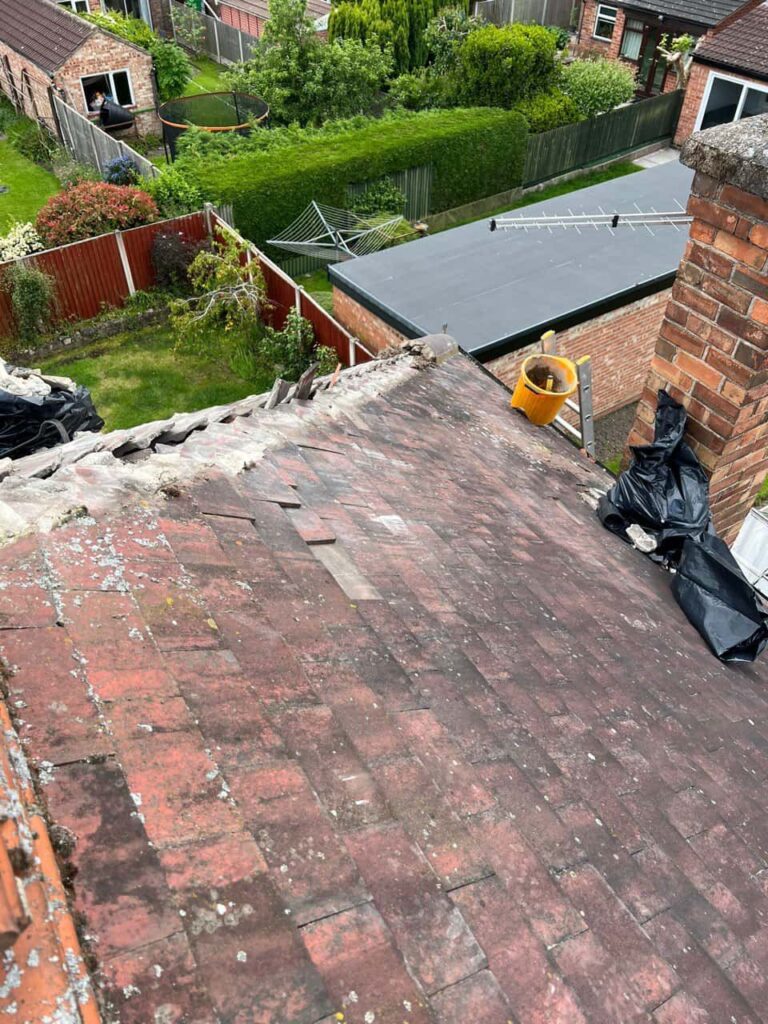
Severe weather can take a toll on roofing, and slipped tiles are one of the most common issues homeowners notice after storms. In Clay Cross, Derbyshire, strong winds and heavy rainfall can dislodge tiles, exposing the roof beneath and increasing the risk of water ingress. Acting promptly and correctly helps limit damage and restore the roof’s protective function.
At Clay Cross Roofing Repairs, post-storm inspections often reveal that early intervention makes a significant difference to long-term roof performance.
Why Roof Tiles Slip During Storms
Roof tiles are designed to overlap and interlock, but storms can overcome these defences in several ways.
High winds can lift tiles if fixings have weakened over time, while driving rain can exploit small gaps and force tiles out of position. Temperature changes before or after a storm may also cause slight movement in the roof structure, contributing to displacement.
Immediate Steps to Take After a Storm
Knowing what to do next can help protect your property while avoiding unnecessary risk.
Carry Out a Visual Check From Ground Level
Look for obvious gaps, uneven tile lines, or tiles resting in gutters or on the ground. Avoid climbing onto the roof, as damaged areas can be unstable and unsafe.
Check for Internal Signs of Water Ingress
Inspect loft spaces and upper ceilings for damp patches, water marks, or dripping. These signs help indicate whether the slipped tiles have already allowed moisture inside.
Avoid Temporary DIY Fixes
Covering areas with makeshift materials or attempting to reposition tiles without proper access can worsen the problem. Incorrect handling may crack tiles or disturb surrounding sections.
Why Slipped Tiles Should Be Addressed Quickly
Even a single displaced tile can compromise the roof’s weatherproofing.
Once the underlay and battens are exposed, rainwater can enter the roof structure, leading to damp insulation, timber decay, and internal damage. Prompt repair helps prevent a localised issue from developing into a more widespread problem.
Professional Assessment and Repair
A professional inspection focuses on more than just the visible slipped tile.
Experienced roofers will check surrounding tiles, fixings, and the condition of the roof underlay to ensure there are no hidden weaknesses. This approach ensures the repair addresses the cause, not just the symptom, reducing the likelihood of repeat issues.
In Clay Cross, where roofs can be exposed to variable weather, this thorough assessment is particularly important following storms.
Preventing Future Tile Movement
While storms cannot be avoided, the impact on your roof can be reduced.
Regular roof inspections and maintenance help identify loose fixings or ageing materials before they fail. Ensuring tiles are correctly secured and aligned improves resistance to high winds and heavy rainfall.
When to Seek Professional Help
If you notice slipped tiles, missing sections, or any signs of water ingress, professional assistance should be sought as soon as possible. Early action often limits repair work and helps maintain the roof’s overall integrity.
Conclusion
Slipped roof tiles after storms are a clear sign that the roof’s protective barrier has been compromised. Taking prompt action, avoiding unsafe DIY measures, and arranging a professional inspection are the most effective steps to protect your home from further damage.
For homeowners in Clay Cross, Clay Cross Roofing Repairs provides reliable post-storm roof inspections and repairs designed to restore safety and weather resistance. If your roof has been affected by recent storms, arranging a professional assessment is the best way to ensure your property remains secure and well protected.
Call us on: 01246 956 398
Click here to find out more about Clay Cross Roofing Repairs
Click here to complete our contact form and see how we can help with your roofing needs.