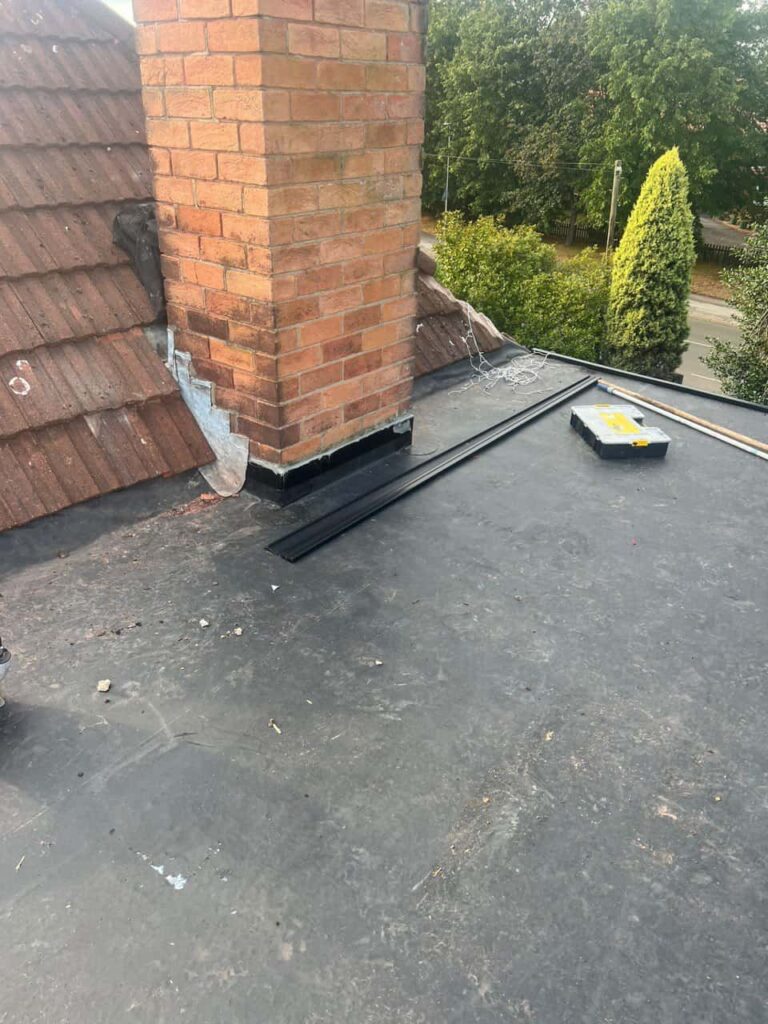
A roof leak may remain unnoticed during light rainfall but become much more obvious when heavy rain arrives. This is often because a greater volume of water places additional pressure on vulnerable areas of the roof, exposing defects that may not cause visible problems in milder conditions.
For homeowners in Clay Cross, Derbyshire, understanding why leaks worsen during heavy rainfall can help identify potential roofing problems before they lead to more extensive internal damage. From damaged tiles to blocked gutters and deteriorating flashing, several issues can affect how effectively a roof keeps water out.
How Heavy Rain Exposes Existing Roof Defects
Roof coverings are designed to direct rainwater away from the property, but their ability to do this depends on the condition of the materials and the quality of the installation.
During light rain, small gaps or damaged sections may allow only a limited amount of moisture to enter. When rainfall becomes heavier, more water passes over the roof in a shorter period. This can increase the amount of water reaching vulnerable joints, overlaps and damaged areas.
If the roof has an existing weakness, water may begin to penetrate more quickly or spread further beneath the coverings. This explains why a leak can appear suddenly during a downpour, even if no obvious signs were noticed beforehand.
Common Roofing Problems That Worsen During Heavy Rain
Several defects can contribute to leaks becoming more noticeable when rainfall intensifies.
- Cracked or displaced roof tiles: Missing, slipped or damaged tiles can expose the layers beneath, allowing rainwater to reach the roof structure.
- Deteriorating flashing: Flashing around chimneys, roof junctions and other openings helps prevent water entering at vulnerable points. Cracks, loose sections or failed seals can allow moisture through.
- Damaged roof valleys: Valleys collect water from adjoining roof slopes. If their lining is damaged or obstructed, water may escape beneath surrounding roof coverings.
- Blocked gutters: When gutters become restricted by leaves, moss or debris, rainwater may overflow and affect roof edges, fascia boards and nearby masonry.
- Worn roof underlay: If the protective layer beneath the tiles has deteriorated, it may no longer provide effective secondary protection against water penetration.
Identifying the actual defect is essential, as repairing the visible symptoms without addressing the underlying cause may allow the leak to return.
Why Water Can Travel Before a Leak Becomes Visible
One reason roof leaks can be difficult to locate is that water does not always enter the property directly beneath the damaged area.
Once rainwater passes through the roof covering, it may travel along battens, rafters or other structural components before reaching a ceiling or internal wall. This means the first visible damp patch may be some distance from the original defect.
Heavy rainfall can make this problem more apparent because a larger volume of water may enter the roof space and spread across internal surfaces. Homeowners may notice ceiling stains, peeling paint, damp patches or water dripping into rooms.
A loft inspection may reveal damp insulation, wet timbers or visible water trails, although accessing roof spaces safely is important. Suspected leaks should be assessed by a roofing professional rather than investigated by walking on the roof.
The Role of Roof Drainage During Heavy Rain
Effective drainage is essential for preventing water from collecting on or around the roof. Gutters, downpipes and roof valleys work together to carry rainwater away from the property.
If any part of this system becomes blocked, damaged or incorrectly aligned, water may struggle to drain away at the intended rate. During heavy rainfall, the increased flow can quickly expose these weaknesses.
Regularly checking accessible gutters and downpipes for visible debris can help identify potential restrictions. However, persistent overflowing or signs of water penetration may indicate a wider roofing or drainage problem that needs professional attention.
Why Prompt Roof Leak Repairs Matter
Even a small leak can cause ongoing problems if water repeatedly enters the roof structure. Prolonged moisture exposure may damage insulation, timber components, ceilings and internal finishes. It can also contribute to damp conditions within the property.
A professional roof inspection can help establish where the water is entering and whether the problem relates to tiles, flashing, valleys, drainage or another part of the roofing system.
The appropriate repair will depend on the condition of the affected materials. Addressing the source of the leak, rather than simply treating the internal damage, is important for restoring the roof’s protective function.
Conclusion
Roof leaks often become more noticeable during heavy rain because larger volumes of water place greater demands on the roof covering and drainage system. Damaged tiles, defective flashing, deteriorating valleys and blocked gutters can all allow moisture to enter when rainfall intensifies.
Recognising the warning signs and arranging an inspection can help prevent a minor defect from developing into a more serious roofing problem. Clay Cross Roofing Repairs provides professional roof repair services in Clay Cross, Derbyshire. If you have noticed damp patches, ceiling stains or water entering your property during heavy rainfall, contact the team to discuss arranging an inspection.
Call us on: 01246 956 398
Click here to find out more about Clay Cross Roofing Repairs
Click here to complete our contact form and see how we can help with your roofing needs.